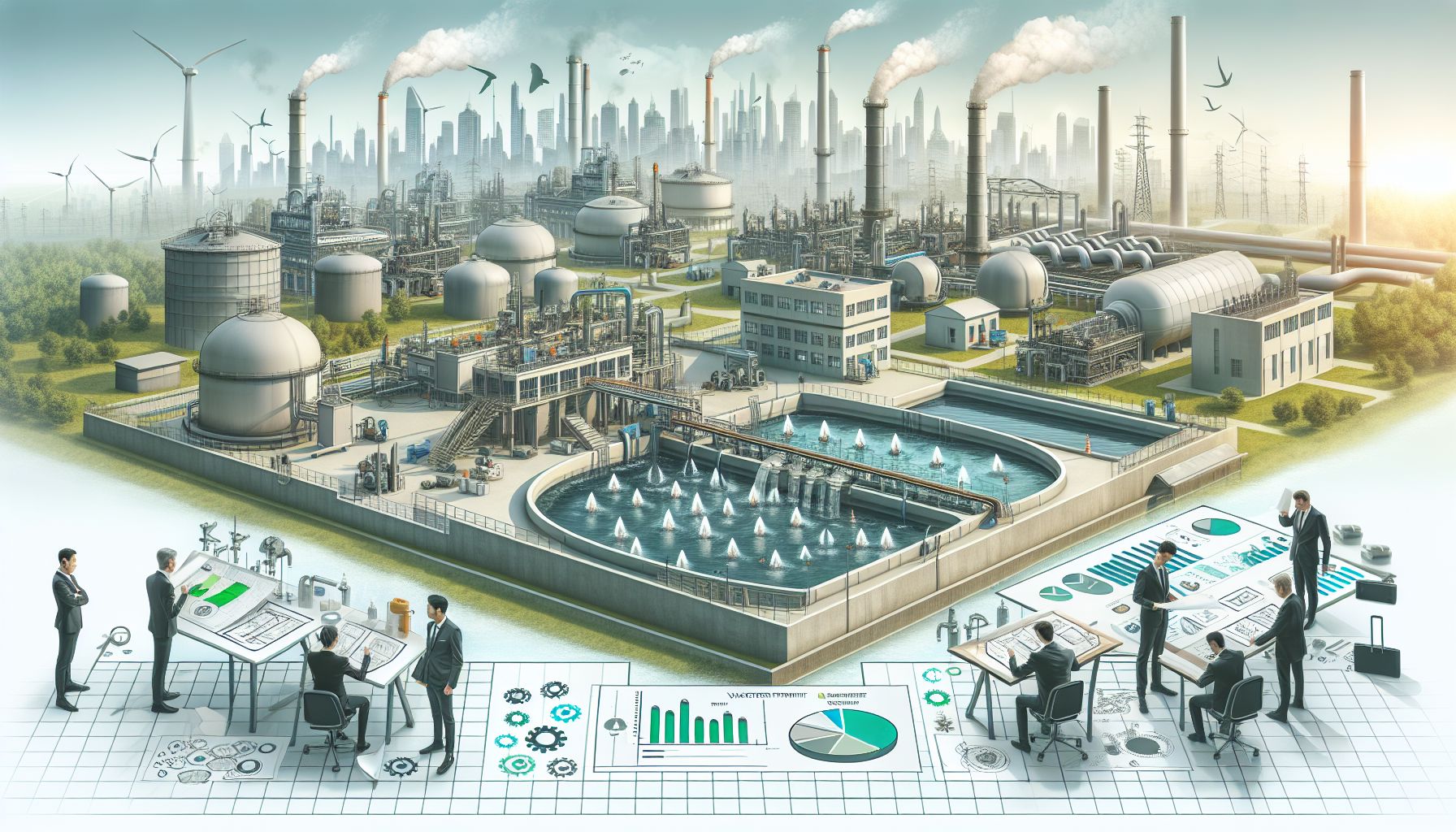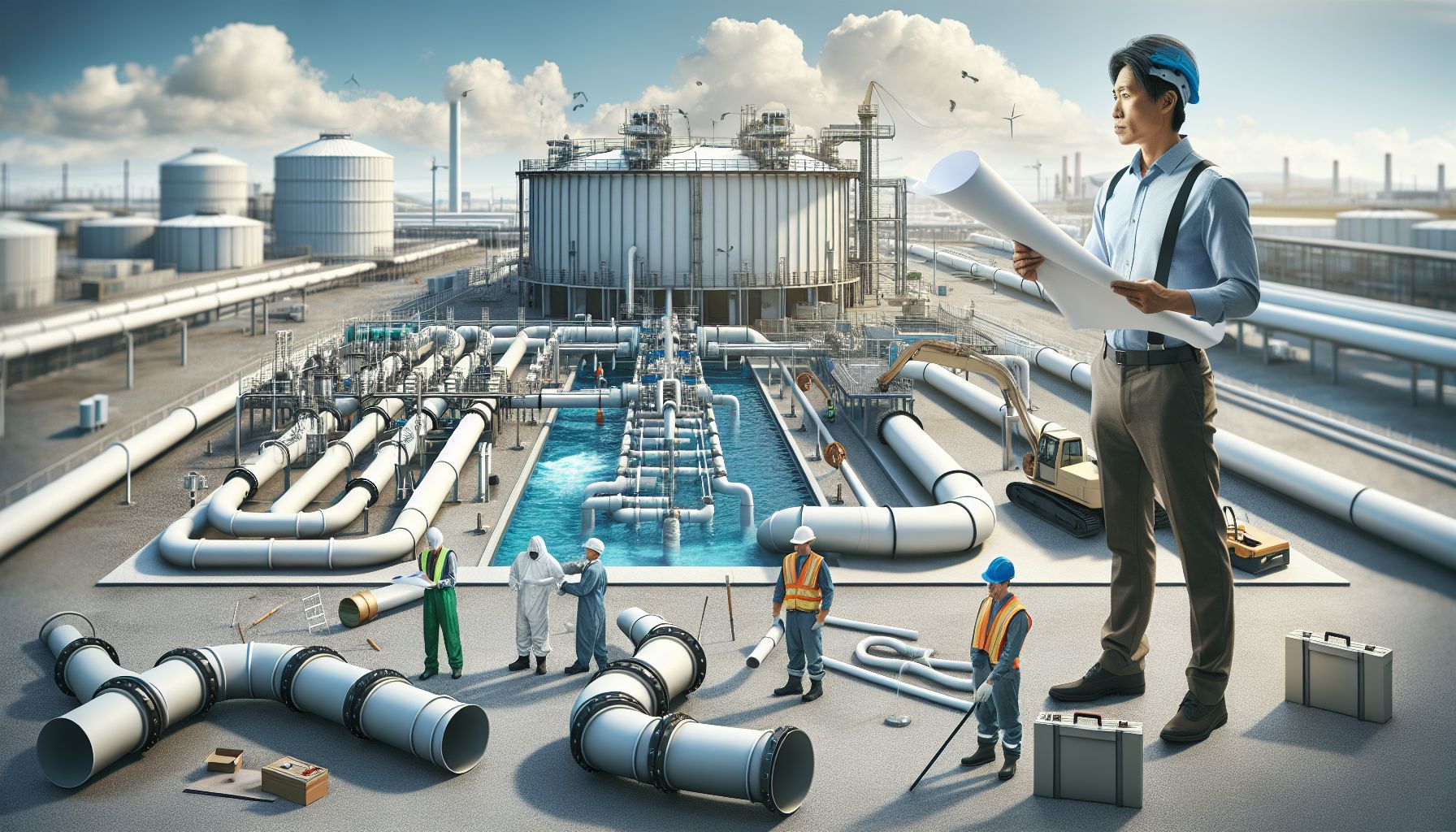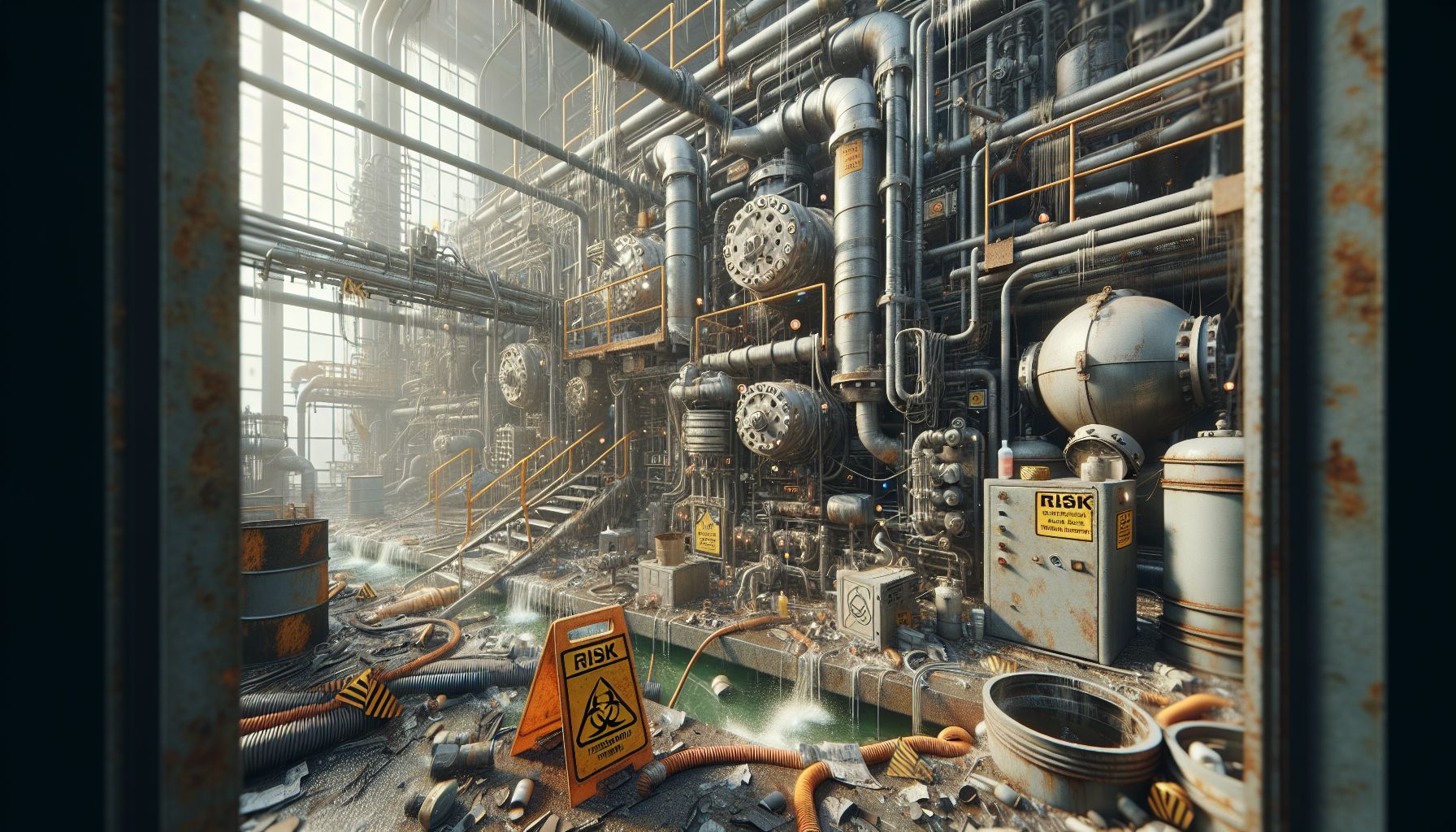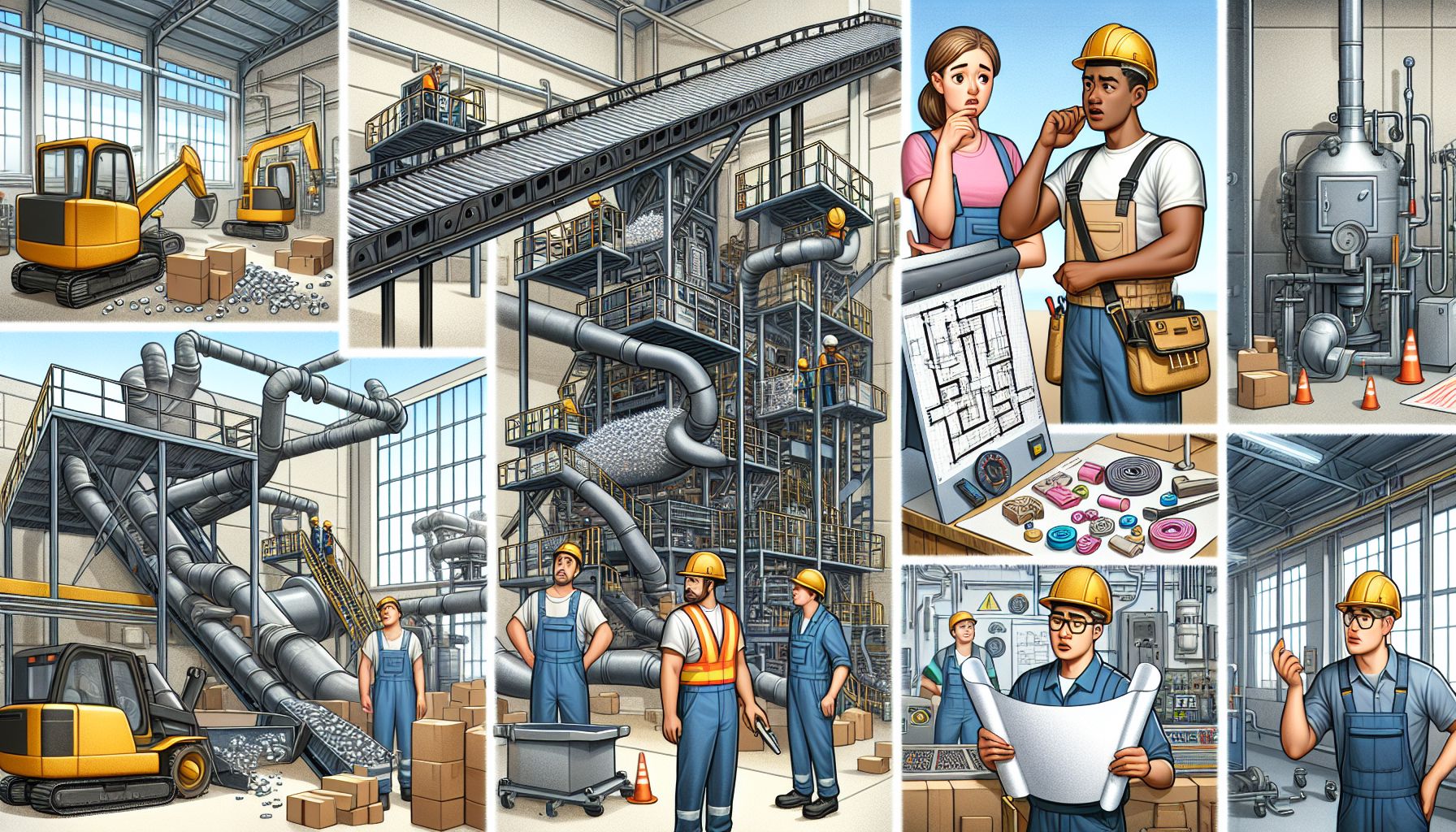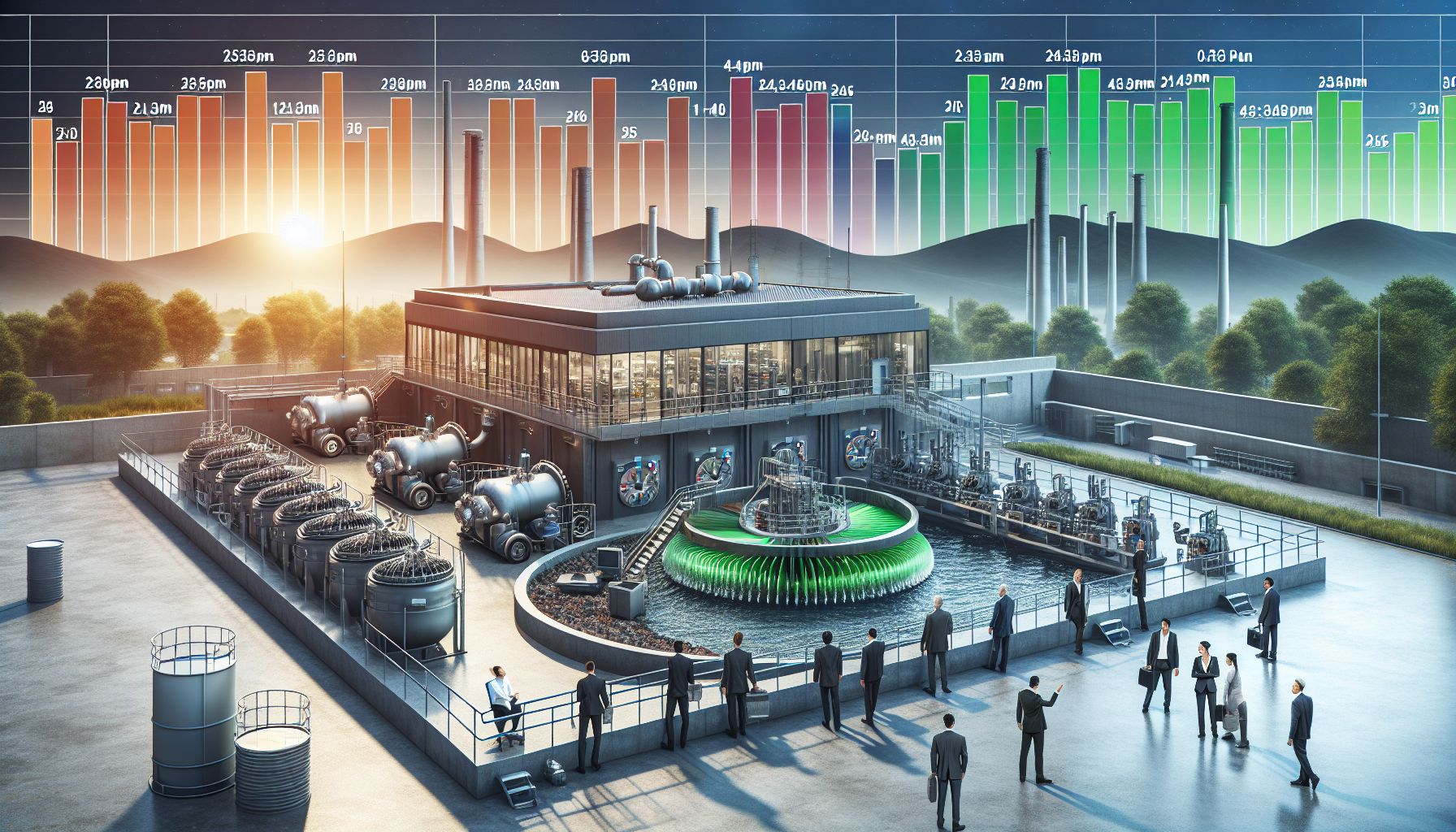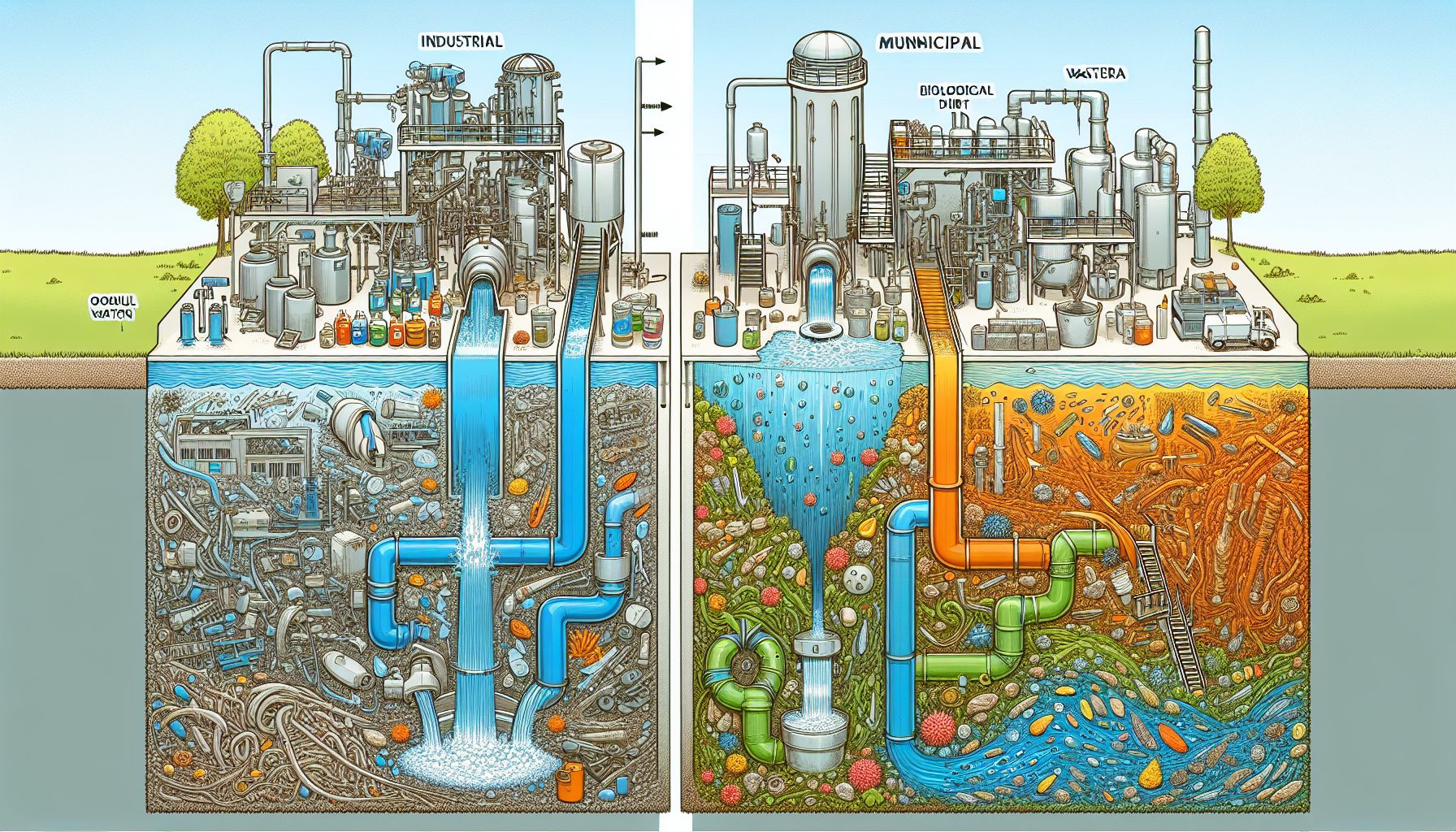
Industrial wastewater management is a critical element in the process for many industries. This is due to its impact both on the environment and the sustainability of operations. However, implementing effective and sustainable wastewater treatment can present significant challenges.
The Nature of Industrial Wastewater
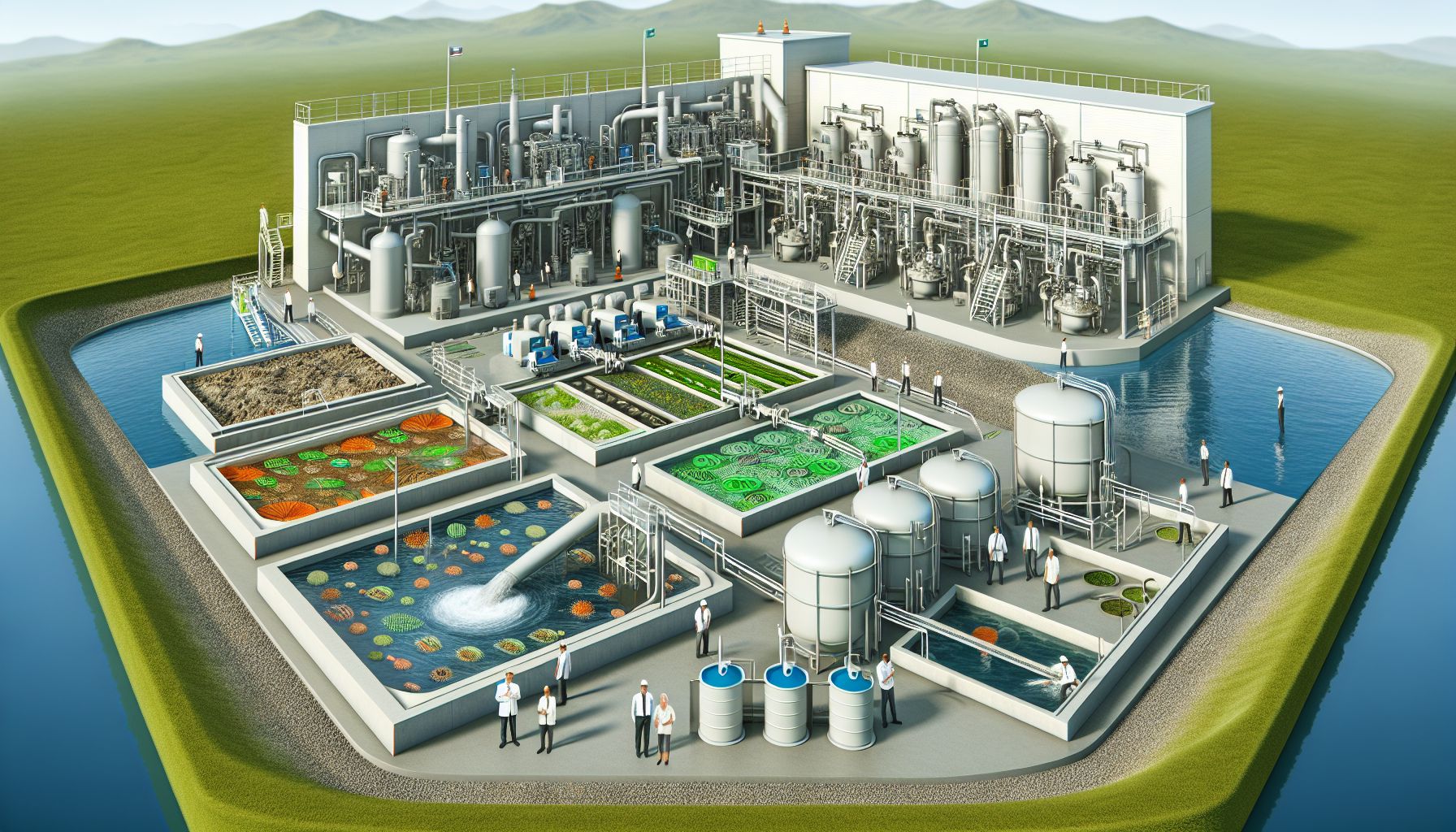
Every process within an industry generates wastewater which, by its nature, can contain chemicals, residue from the raw materials used or even by-products of the manufacturing process. This wastewater is not suitable for the traditional sewage system and its treatment requires different processes, which are typically complex and cost-intensive.
The specific composition of industrial wastewater can vary greatly depending on the industry. For example, the food and beverage industry generates wastewater rich in organic substances, while metal manufacturing processes often generate wastewater that contains significant amounts of heavy metals.
Key Challenges in Industrial Wastewater Management
Efficient industrial wastewater management demands the balancing of several interconnected aspects, primarily encompassing economic, environmental, and regulatory considerations.
Economic Aspect
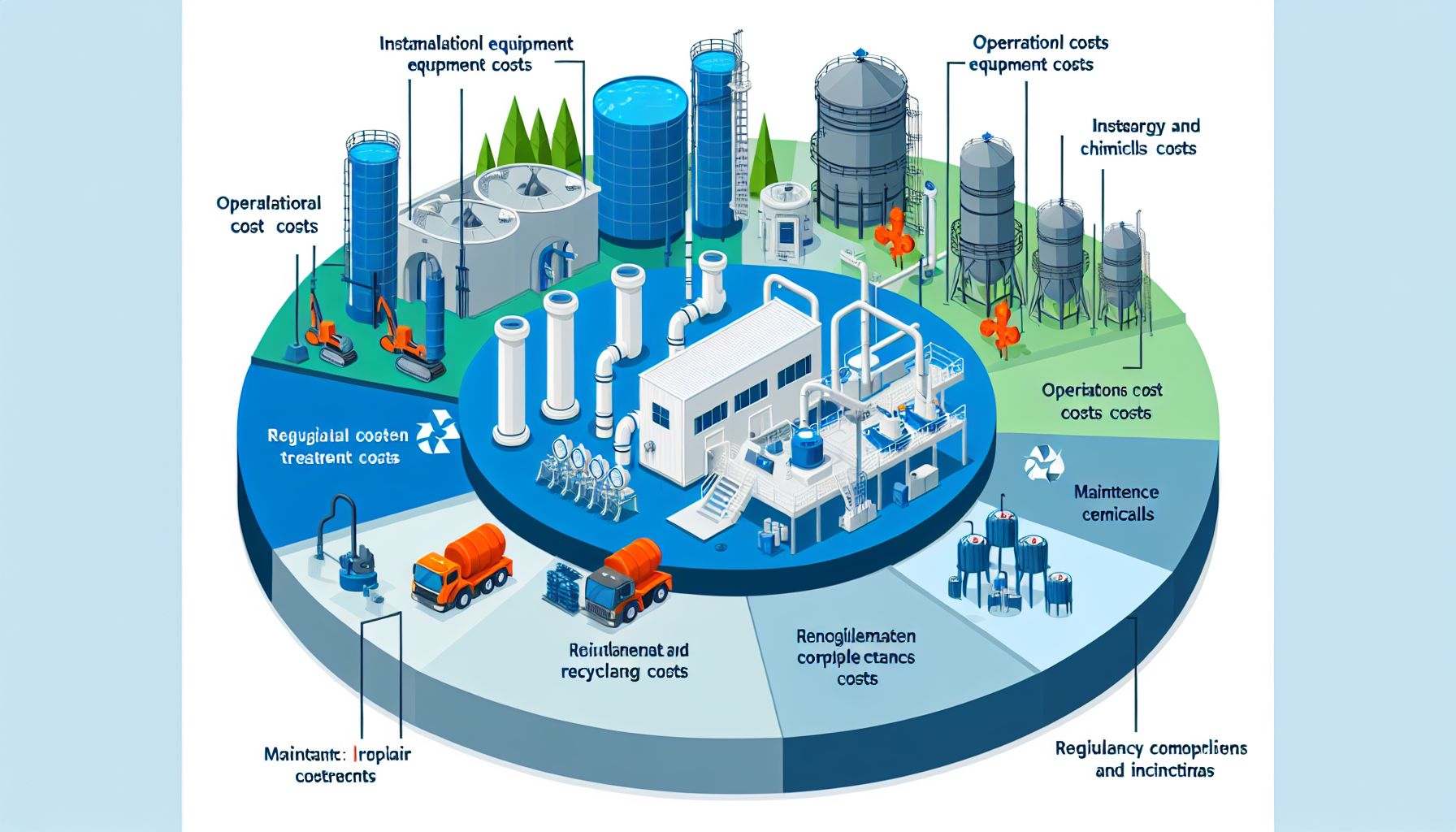
Executing an effective industrial wastewater treatment process often requires substantial investment. This is primarily due to the requirement for specialized equipment and technology. Furthermore, the operational costs associated with chemical use, energy consumption, and maintenance can significantly impact an organization’s budget.
Moreover, the rise in global water scarcity and the need for sustainable water usage have led many companies to explore wastewater recycling. This process allows for the reuse of treated wastewater, which can significantly reduce water usage and ultimately save costs. Yet, the advanced technologies required for wastewater recycling further escalate the overall investment.
Environmental Aspect
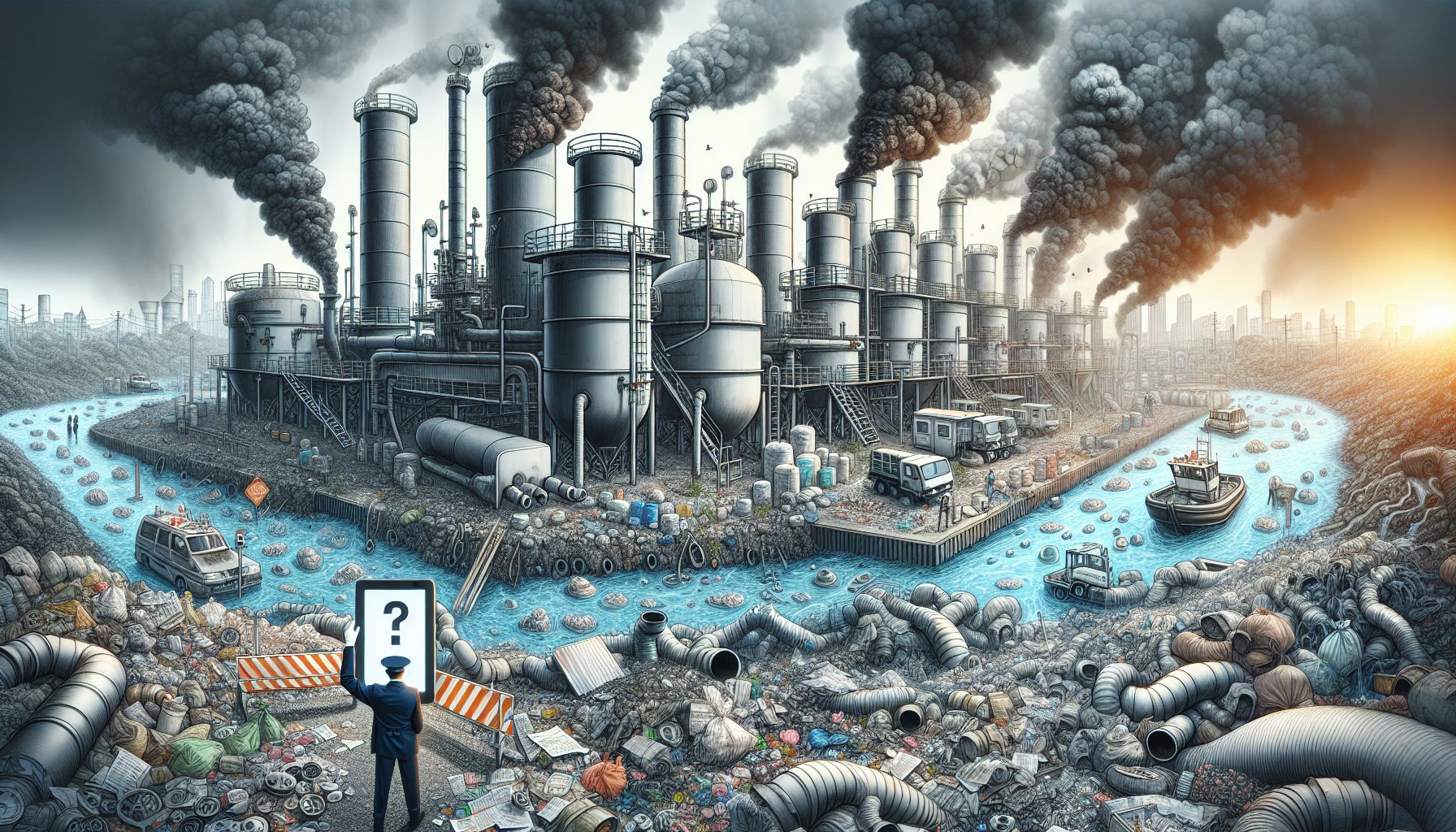
Industrial wastewater, if not treated properly, can lead its detrimental substances to infiltrate into freshwater resources. This can lead to serious environmental hazards, such as water pollution, harm to aquatic life, and damage to ecosystems. In addition, these harmful substances can also affect human health, primarily through the consumption of contaminated drinking water.
Regulatory Aspect
Various governments, along with international environmental organizations, have stringent regulations in place that monitor the discharge of industrial wastewater. Companies that don’t comply with these regulations face severe penalties, including fines and revocation of operating licenses. Therefore, it is fundamentally important for industries to remain in compliance with the prevailing regulations, adding to the challenges of managing industrial wastewater.
Case Study: Pulp and Paper Industry
The pulp and paper industry offers a concrete example of industrial wastewater management. Companies in this industry generate wastewater containing chlorine and chlorinated organic compounds, including dioxins known for their harmful impacts on both the environment and human health. As a result, the industry faces significant challenges in treating its wastewater to reduce these toxic substances.
Yet, many pulp and paper companies have made notable strides in improving their wastewater treatment strategies. Through advancements in technology, the industry has reduced its chlorine usage, instead shifting toward chlorine-free bleaching processes. This move has significantly decreased the amount of harmful substances in their wastewater thereby minimizing their environmental impact.
However, companies still encounter several challenges in wastewater treatment, such as the high costs of adopting new technologies and the technical difficulties of handling higher amounts of solid waste in the wastewater.
Conclusion
Industrial wastewater management remains a considerable challenge for many companies, regardless of the industry. By recognizing and addressing these challenges head-on, industries can strive for efficient wastewater treatment that is sustainable, cost-effective, and optimal for the environment.
To accomplish this goal, industries can gain a lot by actively engaging with and benefiting from vast resources like the water and wastewater knowledge hub and educational platforms managed by major institutes like the Environmental Protection Agency.
Furthermore, industries can collaborate with technology developers, regulators and environmental organizations to enhance their efforts in innovative wastewater treatment and recycling technologies. This approach can fuel continuous improvement of industrial wastewater management while contributing to global sustainability initiatives.